Applying Liberation Design Process
-
Edutopia
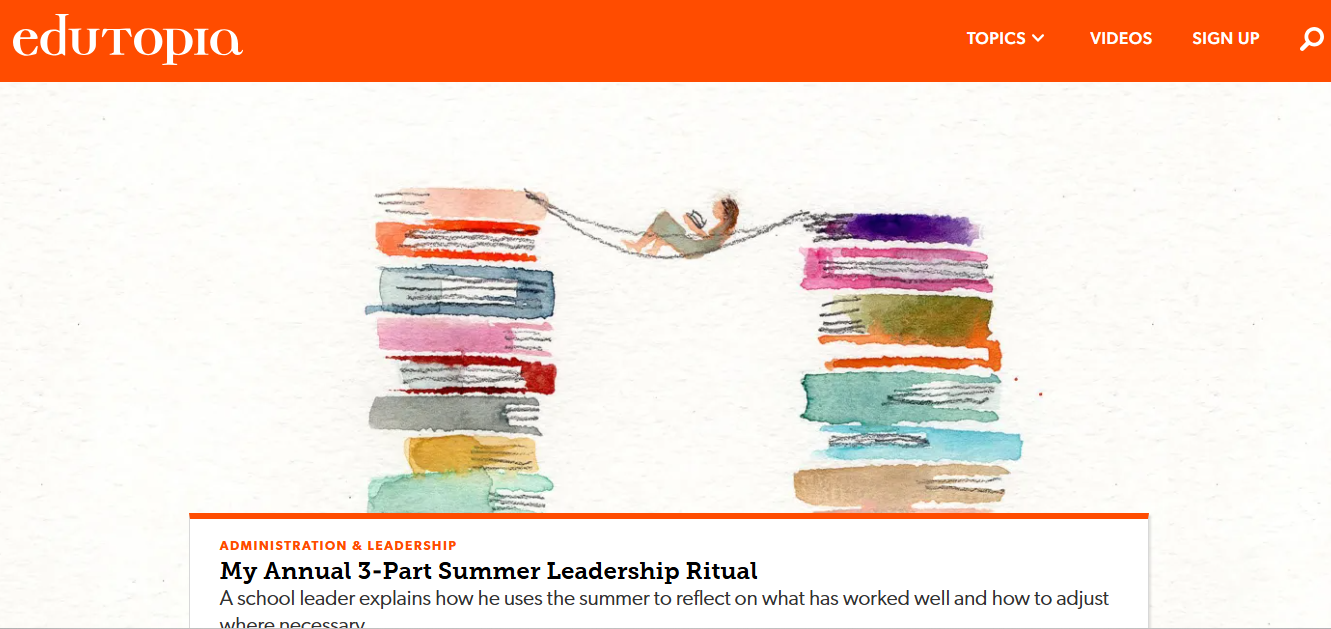
Liberatory Design is an approach to addressing equity challenges and change efforts in complex systems. The framework puts equity and complexity at the center of the co-design process. When the Liberatory Design Cycle stages are applied to The Edutopia website, I observe that the wide range of content Recognizes Oppression and contains numerous articles discussing and providing educators with resources on the topic. Edutopia is an educator-focused website that provides free and accessible resources, includes videos and downloadable items, and provides inclusive content about culturally responsive teaching and learning. This aligns with the Liberatory Design framework's Share, Do not Sell principles. The Edutopia website encourages Human Values by providing articles that align with equity, inclusion, and empathy. The site also has a wide variety of information for people from underrepresented groups. Unfortunately, there was minimal information for hearing and visually impaired students. The website needs to understand how users with disabilities feel as there is a lack of resources available. Not only that, it did not contain any adaptive technology (screen readers) or captions. This website can be truly inclusive for everyone as long as everyone can access the content. This information would help guide new ideas in the next stage. Overall, Edutopia provides valuable, inclusive content.
-
Boom Learning
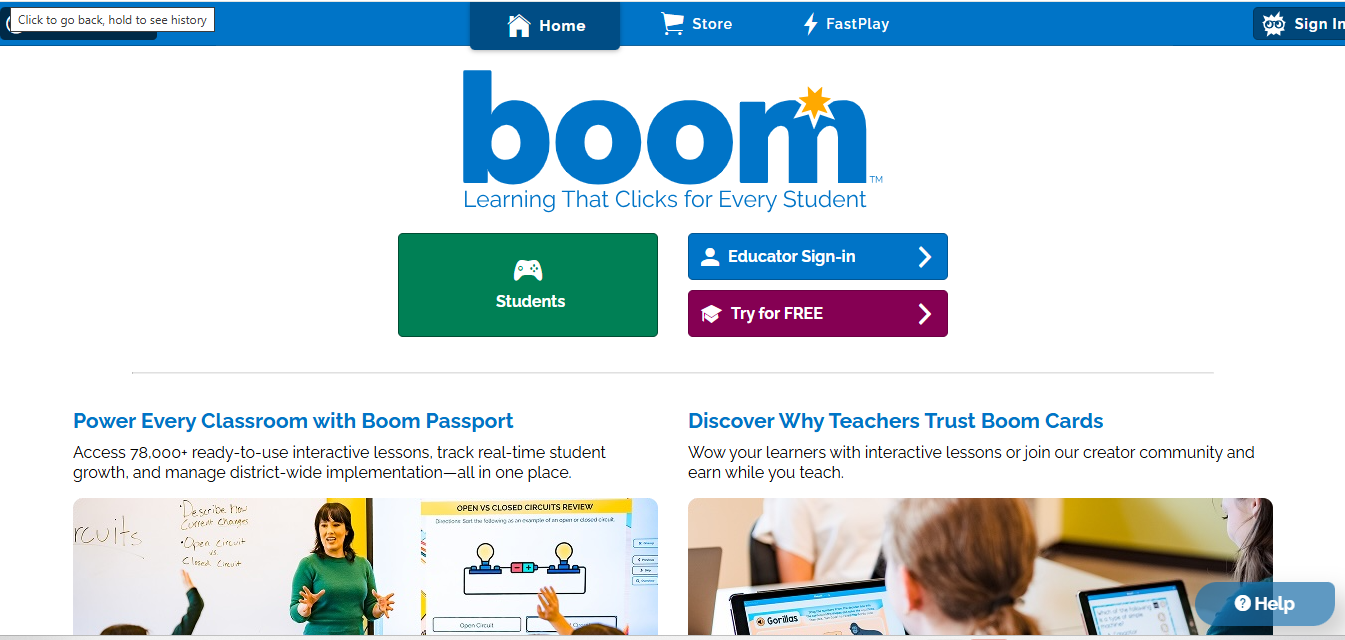
Boom Learning is a website where teachers create fun, interactive cards called Boom Cards to help students learn. These digital cards provide instant feedback and track data. This assists teachers in assessing and tracking student progress. Also, Boom Learning helps educators with real-time assessment insights and easy-to-use assessment tools. This platform allows for customized assessments across different subjects and student needs. This makes lessons more interactive, practical, and differentiated. In addition, this flexibility aligns well with the principle of Recognizing Oppression by enabling educators to represent diverse perspectives and student needs in their materials. However, navigating the website, I noticed no content representing LGBTQ2+ students and educators, Indigenous perspectives, or multilingual contexts, which indicates under-representation. This site lacks inclusive content, which leads to the exclusion of important information and identities.
In regards to the Share, Don’t Sell principle, Boom Learning offers both free and paid content. On the website, there are three different membership options: starter (free), premium ($49.99/ year), and publisher ($69.99/ year), each tier giving you access to more features as you go up. The starter membership is the only free option out of the three, granting you access to a wide variety of card decks as well as instant feedback for students. However, tracking student progress and in-depth assessments are only available for up to 5 students per class. This is extremely limiting, restricting many useful features for educators behind a paywall, and therefore, contradicts the liberation value of open, equitable learning.
Still, the platform has a very user-friendly, engaging interface that supports differentiated learning. Its real-time feedback features and ‘low-stakes’ approach help reduce learning anxiety and build confidence in students, which demonstrates a strong commitment to the Liberation Principle of Human Values through emotional support and responsiveness.
-
National Geographic Kids
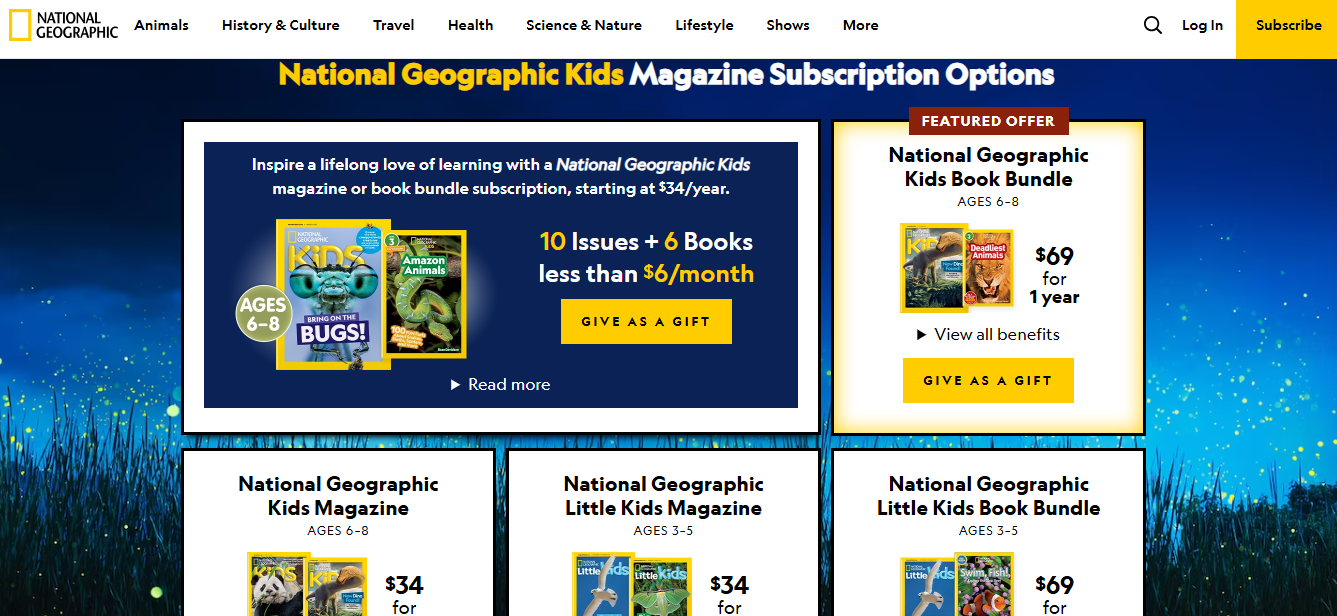
The National Geographic Kids website is a free online resource for children that offers educational content in the form of games, videos, and activities related to science, nature, geography, history and world cultures.
National Geographic Kids provides both dynamic and visually engaging content that fosters children‘s curiosity to explore the world around them. Its wide range of content includes many activities on endangered languages, global cultures, and environmental justice stories. Through these activities, learners are encouraged to question dominant perspectives on nature and humanity, reflecting a clear effort to Recognize Oppression. In addition, these features ensure that children gain a more critical understanding of social and environmental issues from an early age.
Additionally, National Geographic Kids largely follows the Share, Don’t Sell Principle. Most of the activities, articles and games are freely accessible, which supports equitable access. However, there are occasional links to merchandise and advertisements present, which could be more clearly separated from the educational content. In doing so, this would strengthen the platform’s alignment with equity and ensure that learning is its primary focus.
This platform also reflects a strong alignment with Human Values, with many of its articles highlighting the interconnectedness of people and the planet, and the importance of stewardship and global citizenship. By centering themes such as climate change, conservation, diversity, and world cultures, this platform fosters values that strongly connect with liberatory education.